

Big results rarely come from changing everything at once. They’re built through small actions you can repeat—even when training gets tough or life gets busy.
Whether you’re a runner, swimmer, weightlifter, team-sport player, or recreational athlete, the same principle applies: sustainable progress starts with habits that fit your real life.
Manageable habits are easier to repeat than dramatic overhauls. Over time, they can help you:
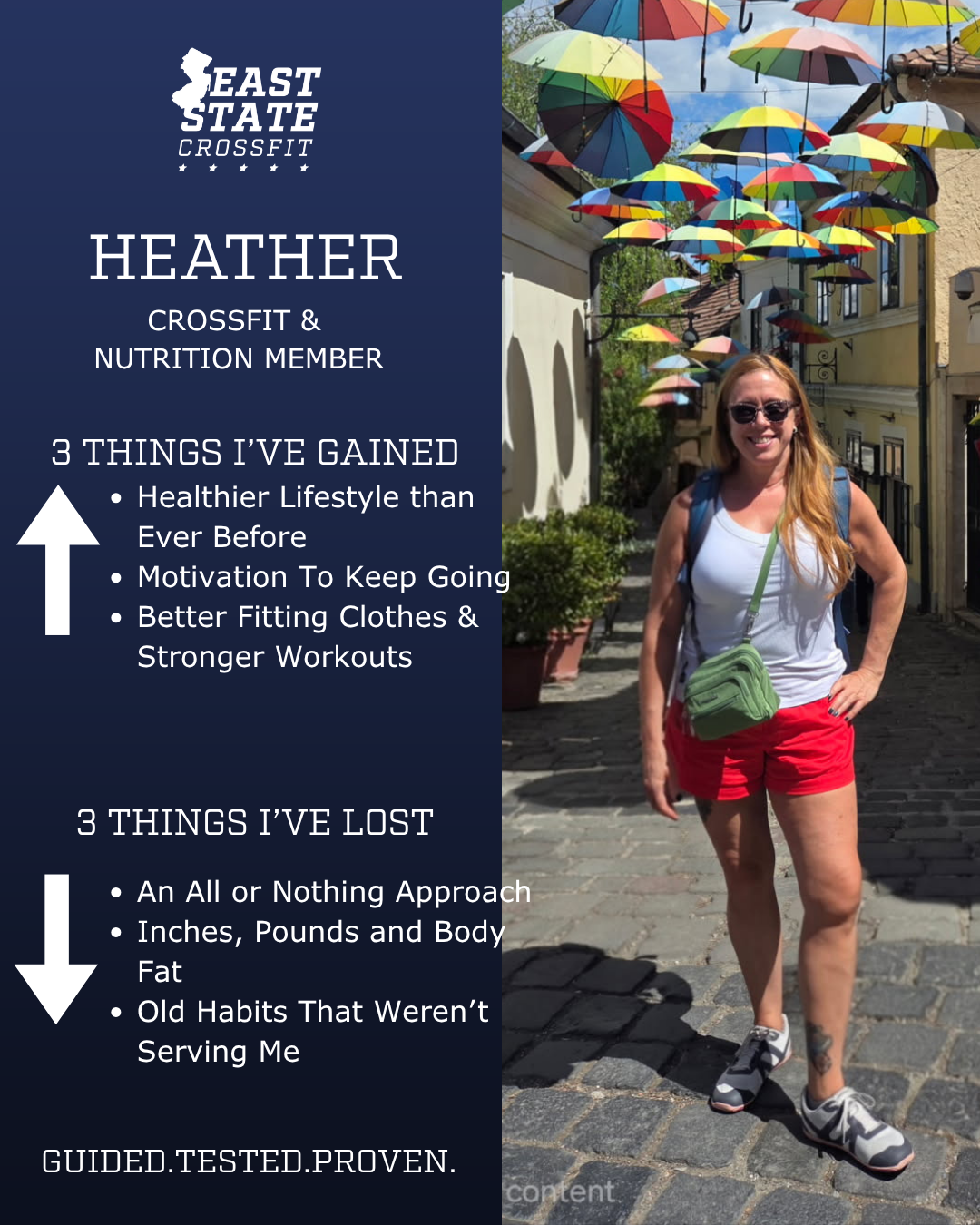
Research suggests that roughly 40–50% of everyday actions are repeated with little conscious thought. Behavior is shaped not only by motivation or willpower, but also by cues and surroundings. Repeating an action in a stable context can make it feel more automatic. Sometimes, changing your environment or making a good choice easier to access works better than relying on willpower alone. Take our ESCF Athlete and HSN Nutrition Client, Heather. She wanted to learn how to hit her health and wellness goals without it being ALL or NOTHING. This was her approach previously and it kept her yo-yoing. After making small changes that she was able to stick with, it became easier to hit her goals without feeling overwhelmed. #practicenotperfection. You can check out her story here.
Choose one action you can realistically maintain. For example:
Keep the bar low enough that you can meet it on busy or low-energy days. “Done, not perfect” is a useful standard: a short mobility session still counts, and a simple meal is better than skipping one because it wasn’t ideal.
You can make a new habit easier to remember by attaching it to an existing routine. After training, refill your water bottle. When you plate dinner, add a vegetable. The familiar routine becomes a cue for the new action.
Athletes often measure progress through performance: pace, distance, weight lifted, or time on the field. But when you’re building a habit, consistency is the key measure.
Ask yourself: How often did I do the small thing I planned? A simple check mark on a calendar can help you notice progress without turning the habit into another performance test.
Once the action feels established, you can build on it. There’s no need to add more before the first habit has found its place.
Small actions may not feel dramatic in the moment, but repeated over time, they can add up to meaningful progress. Start with one manageable habit, make it easy to repeat, and let consistency do its work.
If you are struggling with staying consistent, we can help you find the small wins, build confidence and stay consistent so progress lasts! Book a Discovery Session to find out more!












.png)
.png)
.png)
.png)