Contralateral effects of unilateral training: sparing of muscle strength and size after immobilization

Cross-education attenuates muscle weakness and facilitates strength recovery after orthopedic immobilization in females: A pilot study
Cross-education effect of balance training program in patients with chronic ankle instability: A randomized controlled tria
Contralateral effects of unilateral training: sparing of muscle strength and size after immobilization
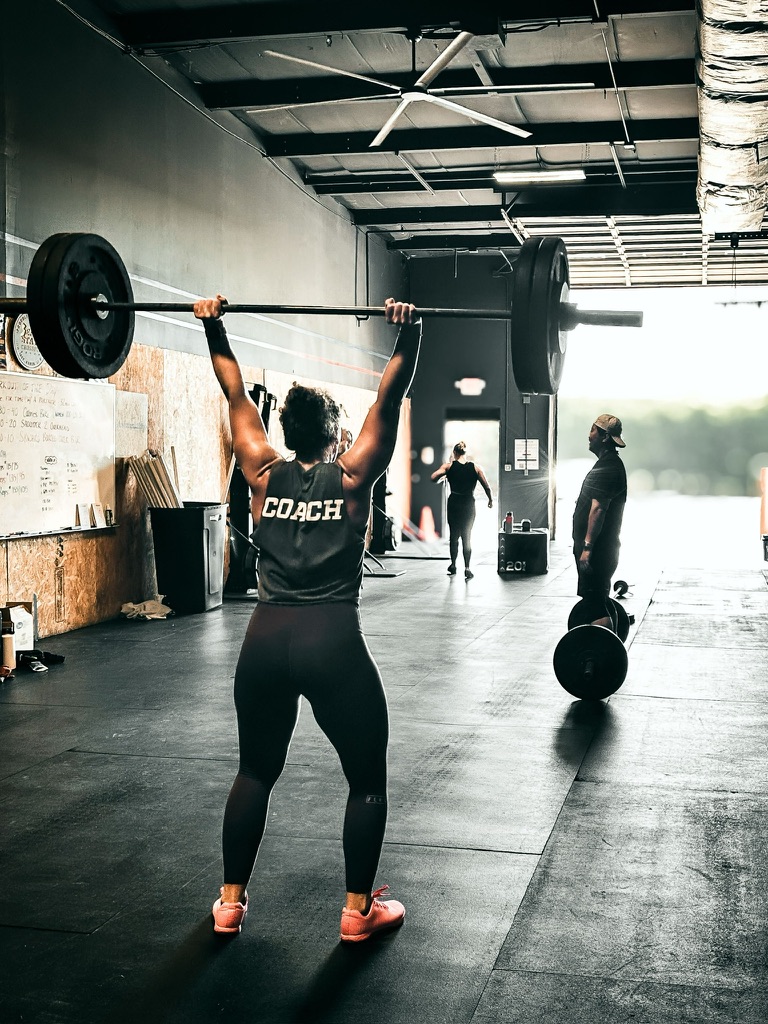
In February 2025, I had surgery to repair a torn labrum. Like most active people, my first thought wasn’t just about the pain or the recovery timeline — it was “What does this mean for my training?”
Injury can feel like an all-or-nothing situation. You’re either training hard or you’re sidelined. But the reality is much more nuanced. With the right approach, injury doesn’t have to mean stopping movement altogether. In fact, continuing to train — intelligently — can actually improve recovery outcomes and make your return stronger.
Injury Is Not a Prescription for Inactivity
One of the biggest misconceptions around injury is, rest means doing nothing. While there are absolutely movements that need protection, complete inactivity is rarely the best solution.
Movement has powerful benefits:
After my labrum surgery, my shoulder obviously had strict limitations. But my body didn’t suddenly stop being a system. What I could move still mattered.
The Science of Training the Non-Injured Side
There’s actually solid research supporting something called the cross-education effect. The literature shows that training the non-injured side of the body can help maintain strength and muscle on the injured side — even when it isn’t being trained directly.
In practical terms:
This isn’t bro-science or wishful thinking — it’s a well-documented phenomenon in rehabilitation and strength training research. It gave me confidence that training something was far better than training nothing.
Modify, Don’t Eliminate
Training through injury is not about ignoring pain or pushing through damage. It’s about modifying variables:
For an upper-body injury like mine, that meant:
If you have a lower-body injury, the same principle applies in reverse. Upper-body strength work, core training, conditioning, and even seated or supported cardio options can keep you progressing.
The Mental Side of Staying in the Game
Injuries are as much psychological as they are physical. Continuing to train — even in a reduced or altered capacity — helped preserve my identity as someone who moves, trains, and improves.
It kept routines intact.
It maintained momentum.
It made rehab feel like part of training, not a detour from it.
That mindset shift matters more than most people realize.
Train What You Can, Protect What You Can’t
Training through injury isn’t about being reckless. It’s about being strategic.
If something is injured:
My labrum surgery forced me to slow down in one area — but it also sharpened my understanding of movement, recovery, and long-term consistency. When I returned to full training, I wasn’t behind. In many ways, I was better prepared.
Injury doesn’t mean you stop training.
It means you start training smarter.
*The content on this blog is intended for informational and educational purposes only and should not be considered medical advice. Always consult a licensed healthcare provider before making medical decisions. If you are experiencing a medical emergency, call your local emergency services immediately









.png)
.png)
.png)
.png)